Entering 2026, the economic landscape is no longer a simple story of “overcoming hardship.” For Small and Medium Enterprises (SMEs), this is a time for a strategic pivot. To avoid being left behind, businesses must focus on three core pillars: AI-centered transformation, Model Innovation and Cross-border E-commerce.
The 2026 Economic Context: Opportunities in Digital and Green Shifts
The year 2026 marks a booming period for the digital economy in Southeast Asia, with Vietnam leading in growth speed. However, this context brings new challenges:
- Sustainable Consumption (ESG): Forecasts show that over 65% of consumers will prioritize businesses with green production processes.
- Global Competition at the Doorstep: Multinational corporations are optimizing supply chains, putting direct pressure on the market share of local SMEs.
- Digital Labor: A shortage of tech-savvy talent is forcing businesses to turn to automation solutions.
To optimize business operations, SMEs cannot just “work harder” but must “work smarter” by leveraging technology and expanding collaborative ecosystems.
1. AI-Driven Transformation: From a Tool to a “Survival” Factor
In the 2026 era, digital transformation is no longer an optional extra. According to the 2025 Vietnam Domestic Market Report by the Ministry of Industry and Trade, SMEs that applied technology significantly improved their competitiveness through production optimization and logistics management.
The Urgency of Adoption: Start Now, Don’t Wait A critical lesson for 2026 is that readiness is a myth. Businesses that wait for the “perfect moment” or total organizational readiness to apply AI are already falling behind. The competitive gap is widening daily; therefore, SMEs must begin integrating AI immediately.
In this fast-evolving landscape, hesitation leads to hardship. Early adoption allows for a learning curve that becomes a massive competitive advantage as the technology matures.

Why is AI the “Key”?
- Operational Optimization: Reduce labor and operating costs by up to 30% by automating repetitive processes (such as data entry, inventory control, and customer email responses) using AI Agents.
- Smart Data Management: AI helps analyze customer behavior at scale (Big Data), something previously only large corporations could afford. This allows SMEs to forecast market demand with 85-90% accuracy.
- Revenue Growth: Academic reports indicate that using AI for personalized customer experiences (Recommendation Systems) can increase conversion rates by 20-30%.
Practical Implementation:
- Centralized Data: Implement ERP/CRM systems (such as Odoo, Salesforce, or local solutions) to synchronize customer data across all channels.
- AI Agents & Chatbots: Utilize next-generation chatbots integrated with Generative AI to provide deep consultancy 24/7, rather than just following pre-set scripts.
- Data-driven Decision Making: Integrated digital reports and real-time KPIs allow SME leaders to monitor “business health” directly on their smartphones for instant decision-making.
2. Business Model Innovation: The Differentiator for Success
Consumer behavior in 2026 has completely transformed. Customers no longer just look for “cheap prices” but prioritize value and convenience. A traditional business model based solely on physical products will struggle without the “soul” of service and experience.
Understanding Customers in the New Context: Market research shows that today’s consumers demand a seamless Omnichannel shopping experience and excellent after-sales service. If an SME maintains a static business model, they will quickly lose their edge to more agile competitors.
The 2026 Economic Context: A Shift Toward Smart and Green Growth
By 2026, Vietnam’s economy has moved beyond “recovery” into a cycle of Digital and Green Growth.
- Consumer Behavior: Over 60% of Vietnamese consumers now prioritize sustainability (ESG) and transparent sourcing via QR/Blockchain.
- Operational Pressure: Rising logistics and raw material costs make traditional, labor-intensive models high-risk.
- Optimization is Key: Leading SMEs are no longer just cutting staff; they are optimizing through technology and expanding margins via global e-commerce.
AI-Driven Transformation: From a Tool to a “Survival” Factor
In 2026, digital transformation is mandatory. According to the 2025 Vietnam Domestic Market Report, SMEs utilizing technology have vastly improved their competitiveness through production and logistics optimization.
Why AI is the “Key”:
- Operational Optimization: Reduce overhead by up to 30% by automating repetitive tasks (data entry, inventory, customer responses) with AI Agents.
- Data Intelligence: AI analyzes large-scale customer behavior (Big Data), allowing SMEs to forecast market demand with 85-90% accuracy.
- Revenue Growth: Personalized AI customer experiences can increase order conversion rates by 1.5x.
Business Model Innovation: The Core Differentiator
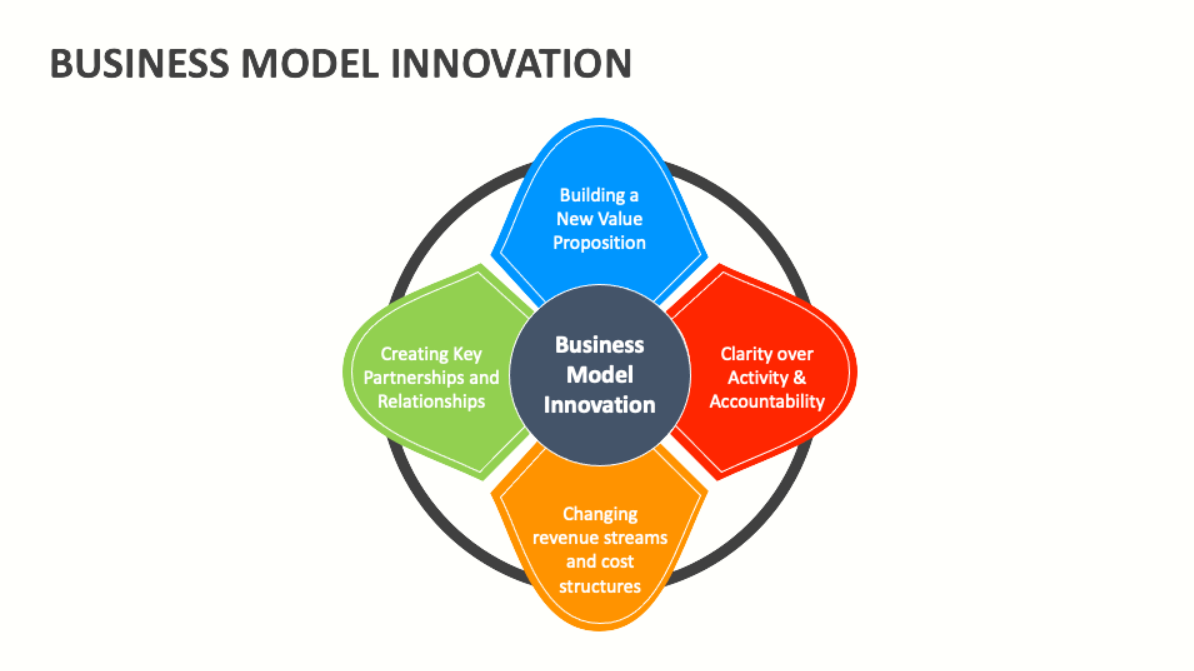
In a rapidly shifting economy, a static business model is a liability. According to the Business Model Innovation (BMI) framework, innovation is not just about changing what you sell, but reimagining how you create and deliver value.
A. The Four Strategic Pillars of BMI
- Building a New Value Proposition: Move from selling products to providing solutions that prioritize sustainability and seamless digital experiences.
- Clarity over Activity & Accountability: Define who performs key activities and establish clear responsibility to maintain a lean, scalable operation.
- Changing Revenue Streams & Cost Structures: Experiment with subscription models or performance-based fees to ensure stable cash flow.
- Creating Key Partnerships & Relationships: Avoid working in isolation. Leverage strategic alliances to share resources and expand markets rapidly.
B. The Six-Question Strategic Framework
To successfully pivot, SMEs should address these six fundamental questions:
- What customer needs will the new model address? Focus on real 2026 consumer “pain points.”
- What novel activities could help satisfy those needs? Consider AI-driven 24/7 consultancy or green production.
- How could the activities be linked in novel ways? Create a unique value chain by connecting supply and sales data.
- Who should perform the activities? Decide what to keep in-house and what to outsource to ecosystem partners (e.g., tech startups).
- How will value be created for each stakeholder? Balance benefits for customers, employees, and partners.
- What revenue models can complement the business? Diversify income sources to mitigate market volatility.
Mastering Omnichannel and Cross-border E-commerce
The boundary between Online and Offline has officially blurred. Over 70% of consumers now use two or more channels during their purchasing journey.
The Omni-journey: Customers may discover a product on TikTok, compare prices on Shopee, and verify brand credibility on Google before visiting a physical store. If an SME is not present at every touchpoint, they lose the customer during the “consideration” phase.
“Go Global” via Cross-border E-commerce: According to Alibaba.com, online exports for Vietnamese SMEs are expected to grow 20% annually through 2026.
- Reducing Barriers: SMEs can reach global partners via B2B platforms without needing a physical overseas office.
- Digital Trust: Standardizing digital profiles and protecting intellectual property (per WIPO recommendations) acts as a “passport” to international markets
3. Mastering Omnichannel and Cross-border E-commerce
The boundary between Online and Offline officially blurred in 2026. According to Harvard Business Review, over 70% of consumers now use two or more channels during their purchasing journey.
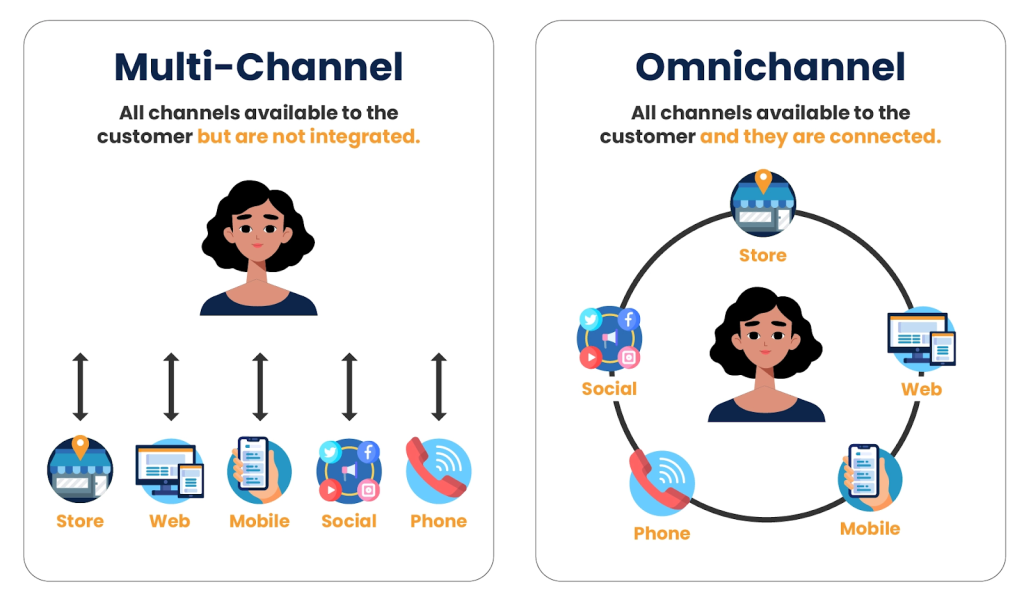
The Omni-journey: A potential customer in 2026 will follow this journey:
- Watch a short review video on TikTok Shop.
- Read reviews and compare prices on Shopee/Lazada.
- Verify brand reputation and certifications via Google/Company Website.
- Finally, they may buy online or visit a physical showroom for the experience. If an SME is not present at every touchpoint, they will lose the customer right at the “consideration” stage.
“Go Global” Opportunities for SMEs: Cross-border E-commerce is no longer just for the giants. Key platforms include:
- TikTok Shop, Shopee: Drive fast growth in domestic and Southeast Asian markets.
- Alibaba.com: The leading B2B channel helping SMEs reach over 200 countries, finding wholesale partners and global distributors.
Digital Branding and Intellectual Property (IP) Protection: In a cross-border environment, customers buy based on “trust.” Businesses must pay special attention to:
- Digital Profile Standardization: Professional product content, high-quality images/videos, and international certifications (ISO, CE, FDA…).
- IP Protection: According to WIPO, businesses need to proactively register trademarks in target markets to avoid the risk of losing their brand or facing counterfeit products.
Conclusion for Vietnamese Enterprises
To breakthrough in 2026, SMEs need more than just capital; they need a Growth Mindset and a strong support ecosystem. AI-centered digital transformation, agile business model innovation, and global expansion through E-commerce are the mandatory roadmap for establishing a sustainable position.
Is your SME ready to lead the change?
With a global network of experts and extensive experience in implementing Open Innovation programs, InnoLab Asia is your strategic partner in realizing this breakthrough roadmap. We bridge the gap between traditional business and future technology, empowering you to thrive in the 2026 landscape